



















































CHM Supersound

  • Register now and get free mp3s
  • Register now and get free mp3s
  • Register now and get free mp3s
You are here:

The development of PNG Popular Music through Recording and Radio Broadcasting – Part I

Papua New Guinea popular music has come a long way since the country got its Independence from the Australian Administration in 1975. Little notice is given to the promotional aspect of music by our radio stations in PNG. This article aims to give tribute to both music entrepreneurs and radio stations who have immensely contributed to the overall development of PNG popular music and at the same time creating the local music scene.

Paramana_smallPNG, compared to other more developed nations, is a small market. The country has, in the past, experienced the full force of acculturation, yet the potentially negative impact of modern communication has failed to harm a variety of distinctively Melanesian cultural expressions. Instead, a growing number of Papua New Guineans are beginning to explore their past, as well as their present, by using modern multi track sound recording and video production – in their quest for both self–expression and self–esteem. It is a main dream of music entrepreneurs to make a mark in the international music scene soon. The endless struggles of entrepreneurs, complimented by radio stations in the bid for international recognition and fame, is based on the belief that a continuous push towards this will be achieved if we all work together to keep our rather small market healthy.

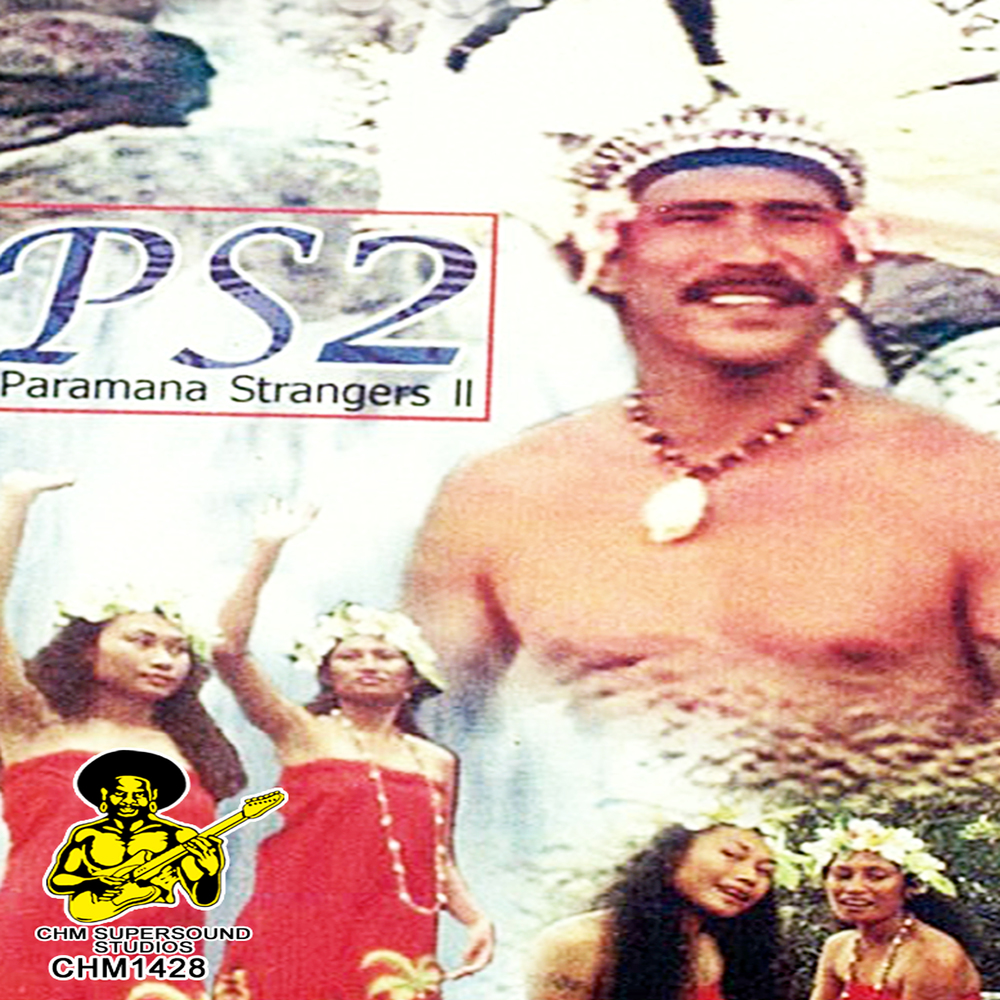
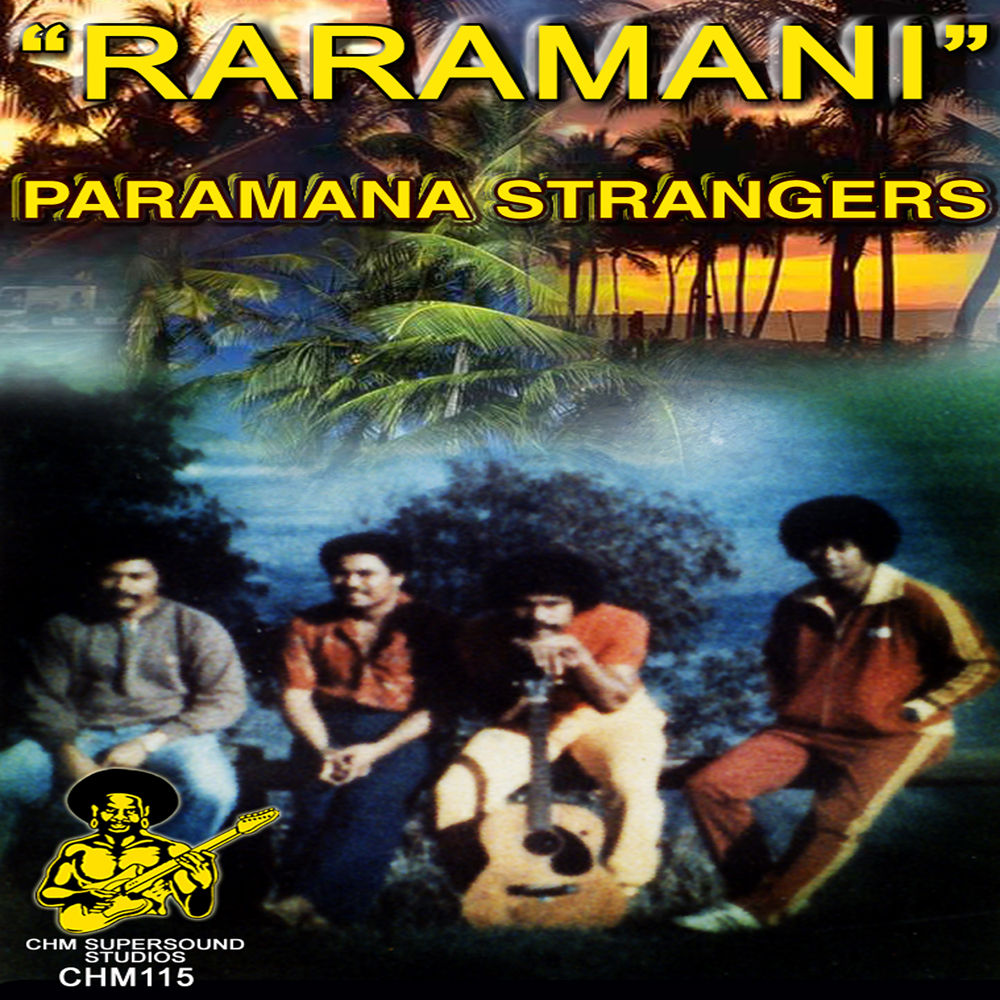
seeto_smallThe National Broadcasting Commission (NBC) inherited the role of the Australian Broadcasting Commission (ABC) at the time of Independence. In 1977 NBC began to encourage local music by recording and releasing cassettes of locally produced pop. Their lead was followed by Paradise studio in 1978. Paradise was probably the very first nationally-owned studio started by the late Terea Iro. Iro, guitarist, composer, song-writer and band leader, created PNG history when he founded what was to become known as Paramana Strangers. Paramana was formed in 1967, opening what was to be a great chapter in PNG music history. The band started off as a trio with brothers Kiki and Verau Geno. Two years later Sam Pepena, Vagi Geno, Rupa Kala and Wari Iamo joined. Alu Gerega teamed up with the rest in 1972, making Paramana Strangers one of the most formidable and entertaining bands to come out of the Central province to date. The unfortunate closure of Paradise not long after did not hinder to continuing success of the band as they created another history to be the first PNG band to tour Fiji, Cook Islands, Western Samoa and Tonga before their professional career ended in 1983. Iro died tragically on the 24th of November 1994 while traveling with his family along the Magi Highway. He sadly lost his life at the hands of masked gunmen.

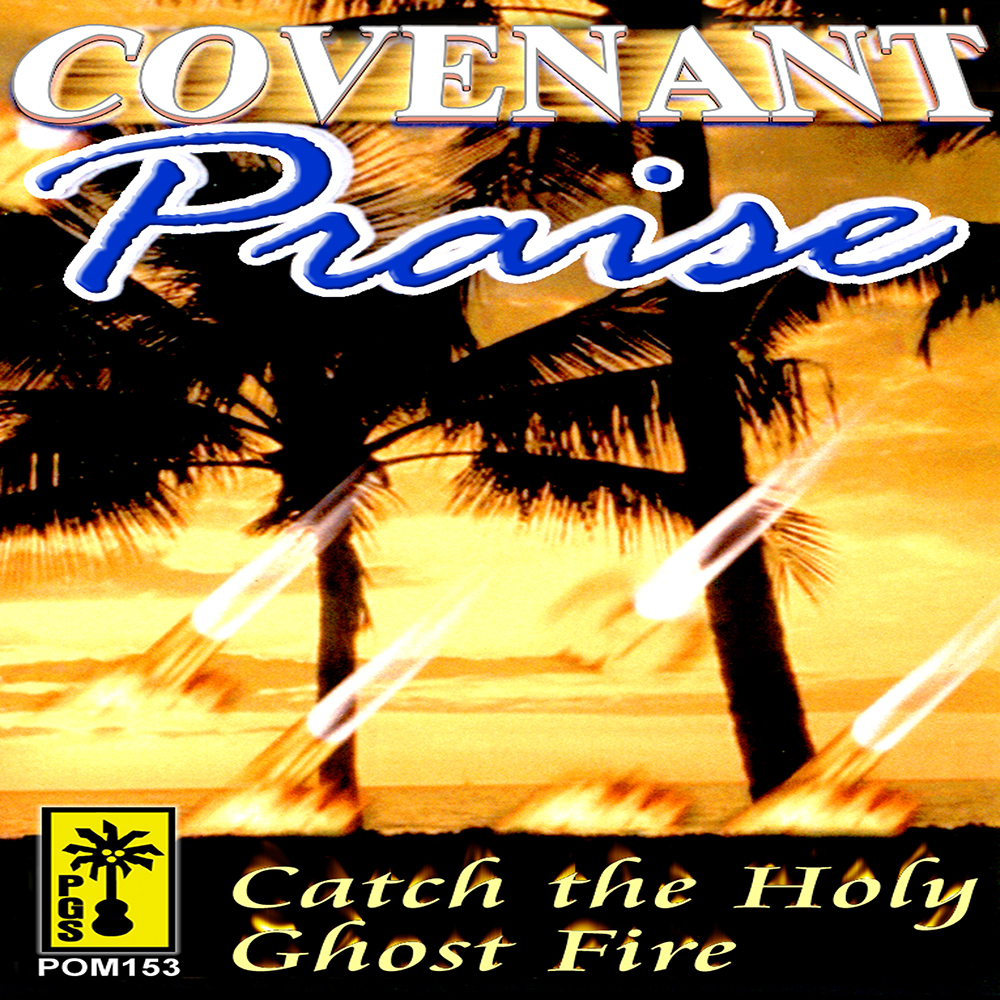
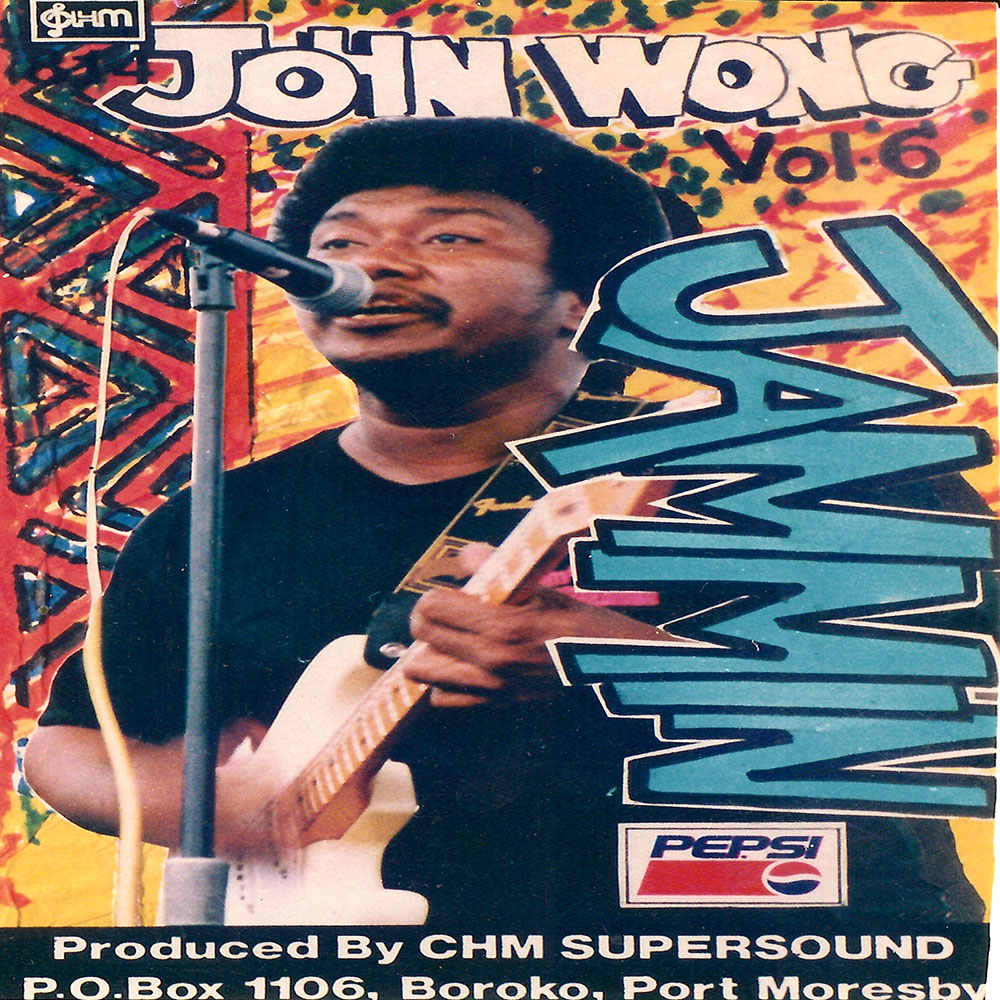
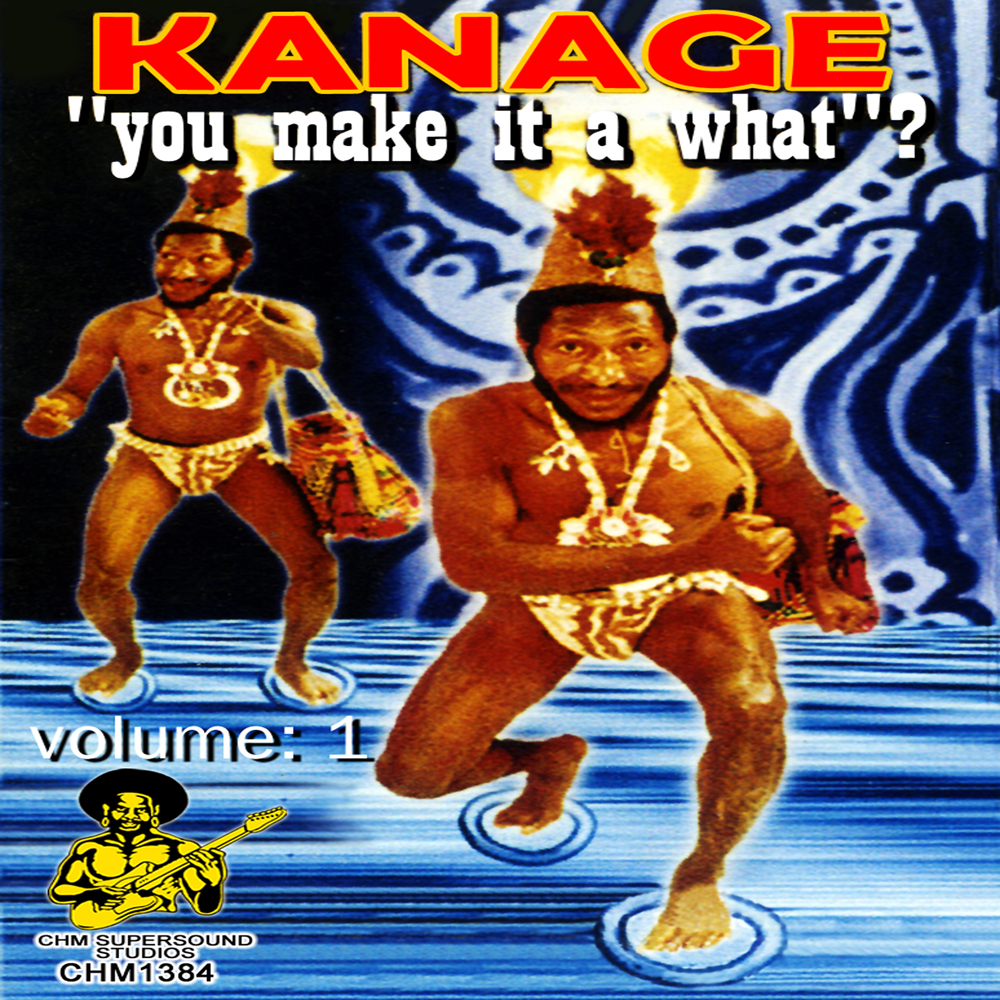
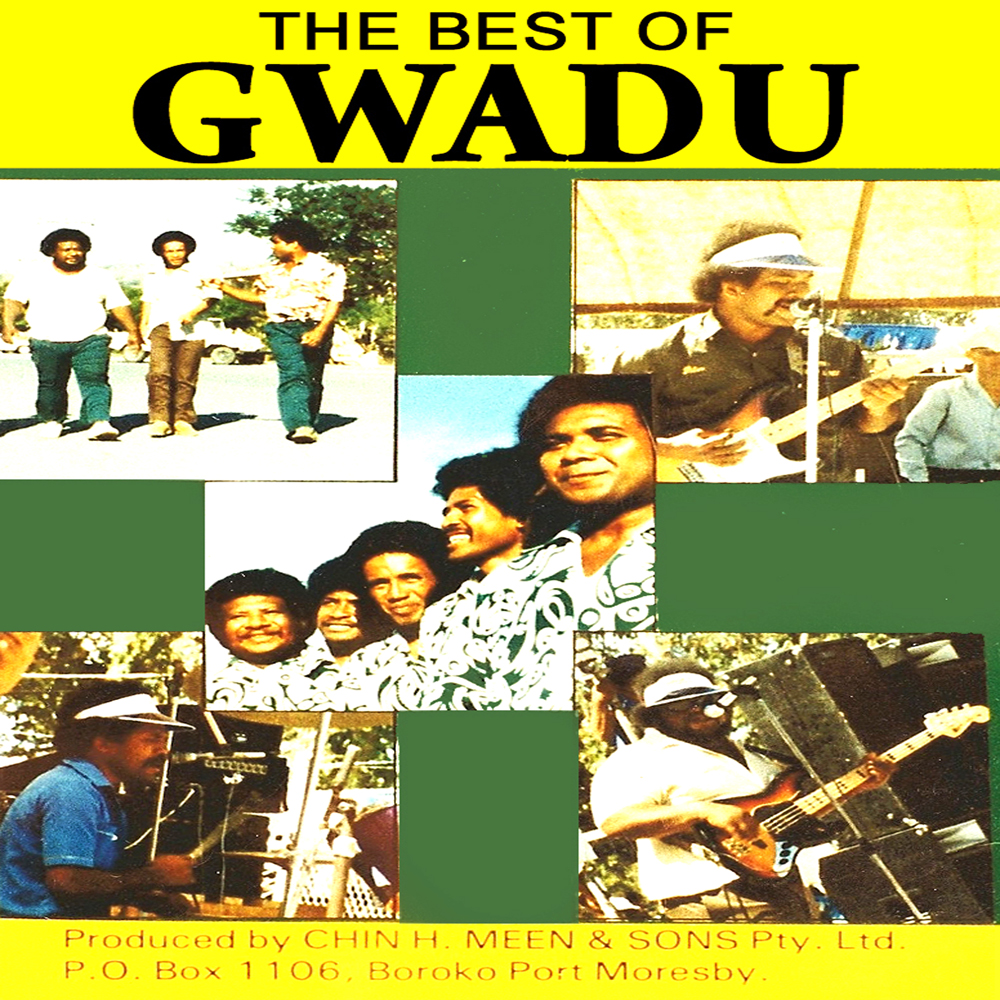
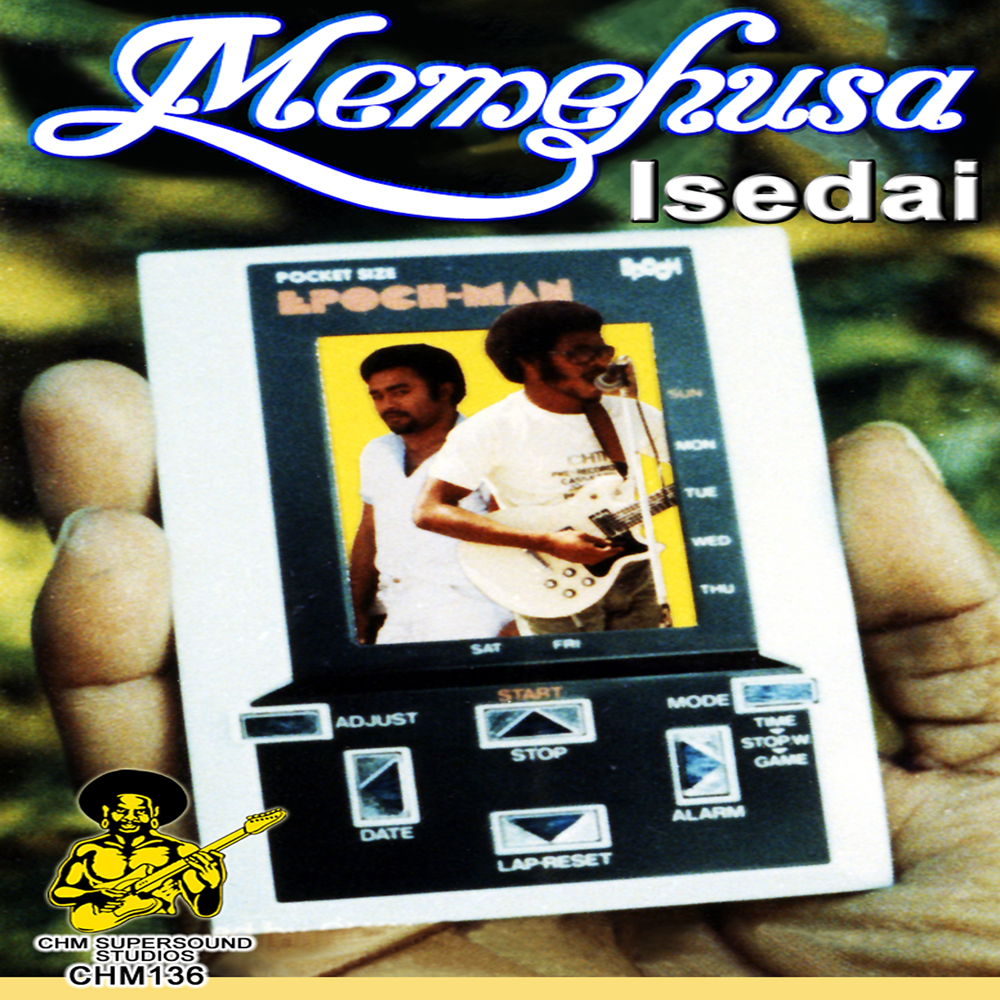
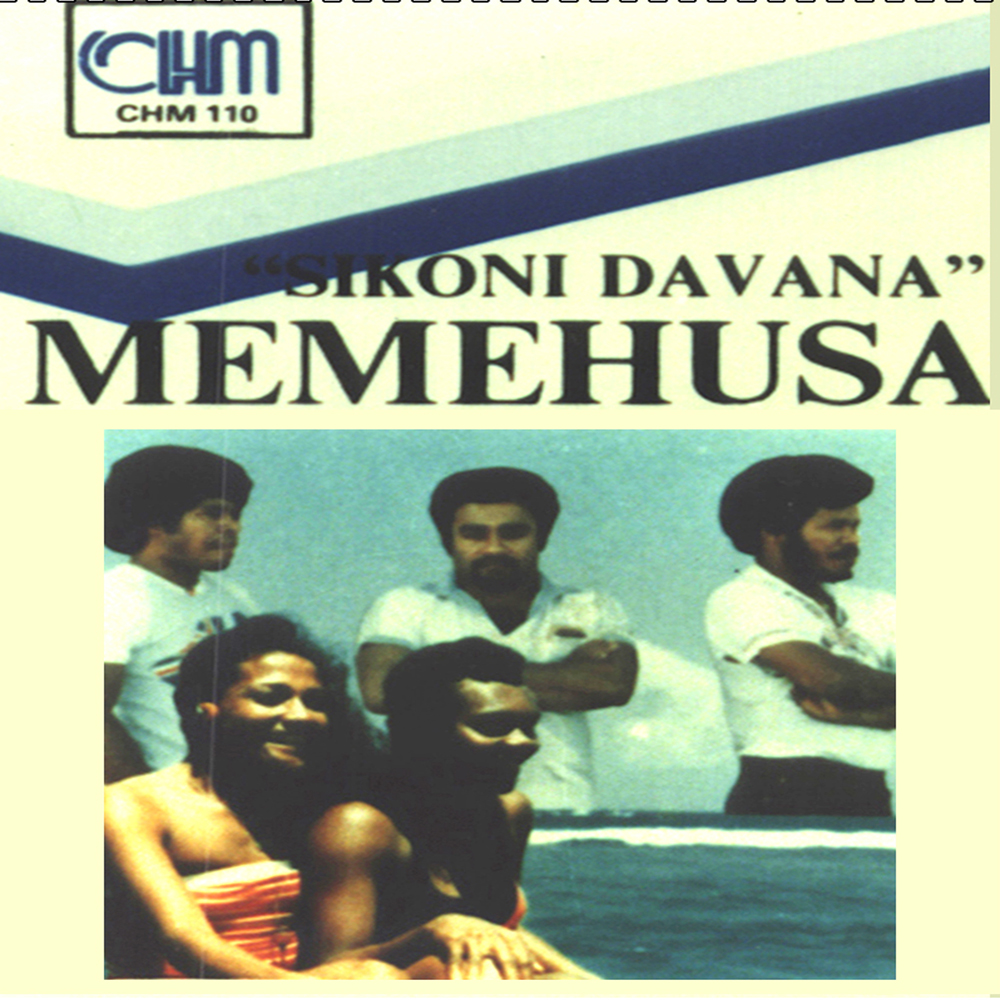
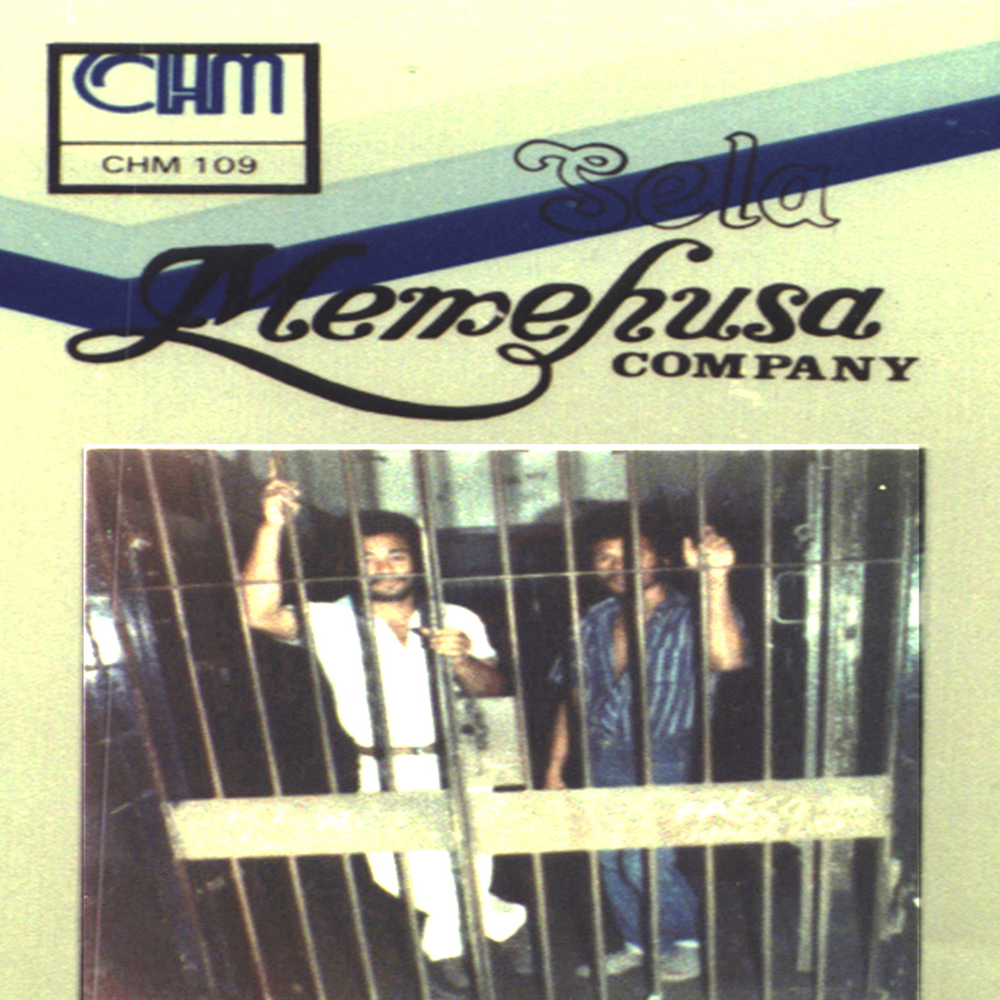
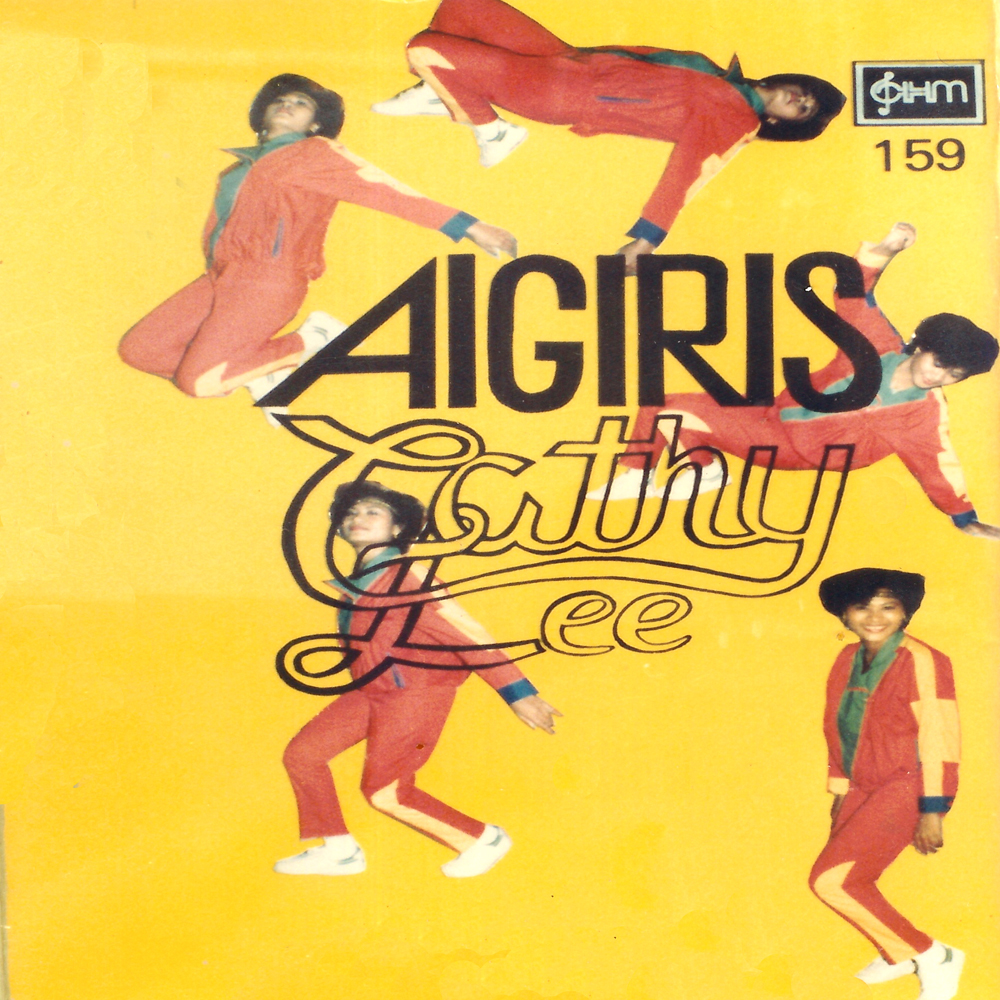
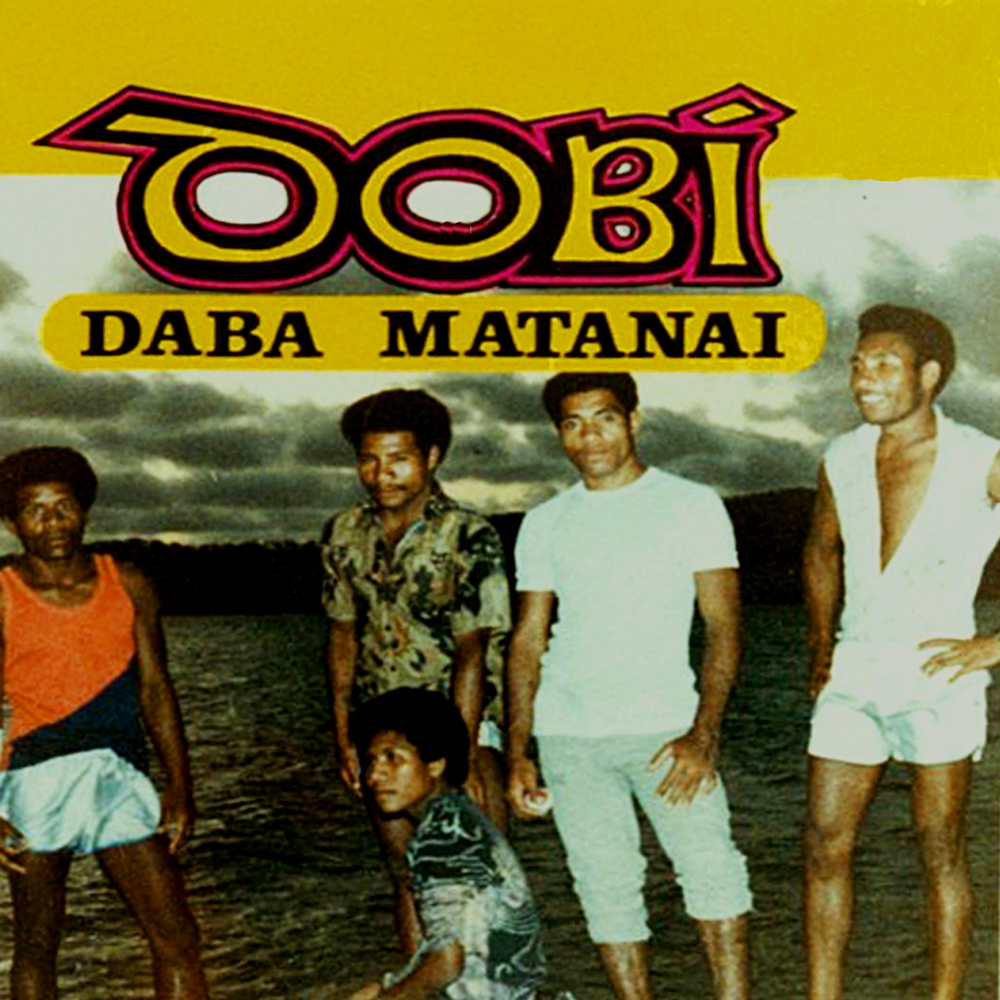
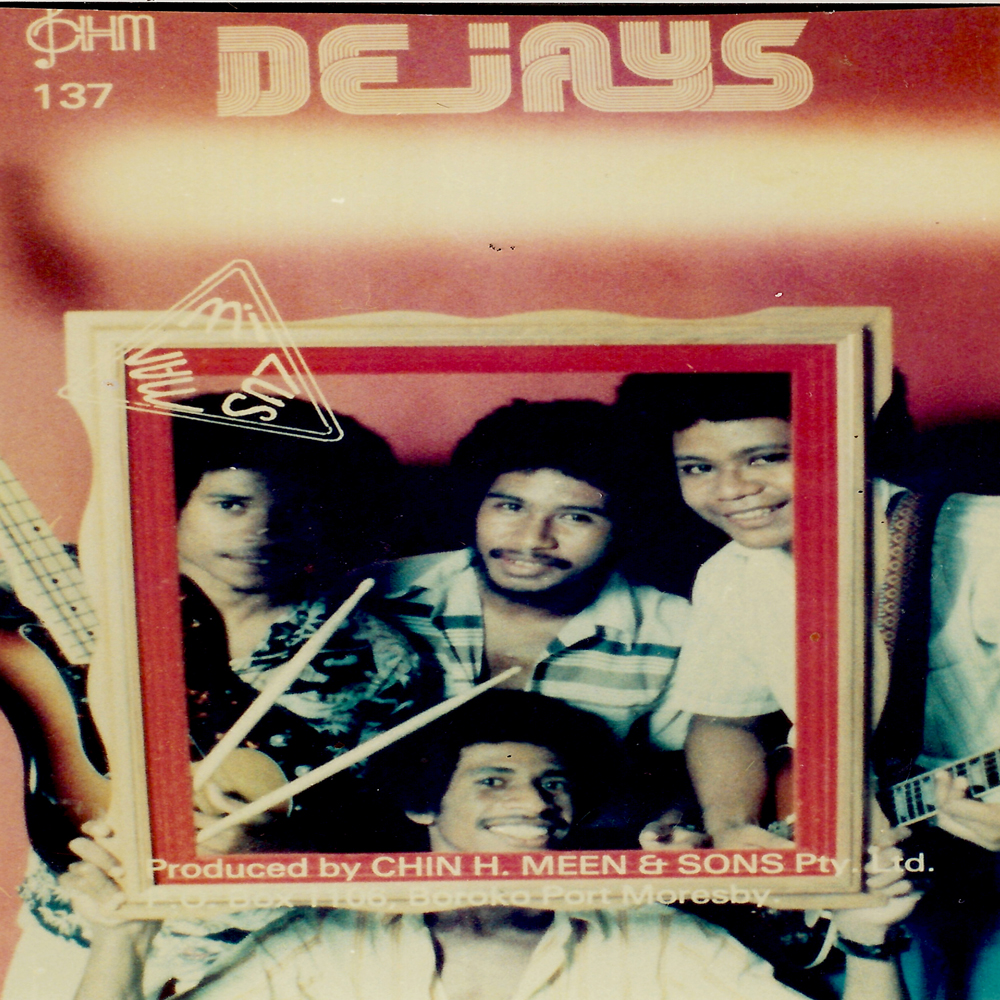
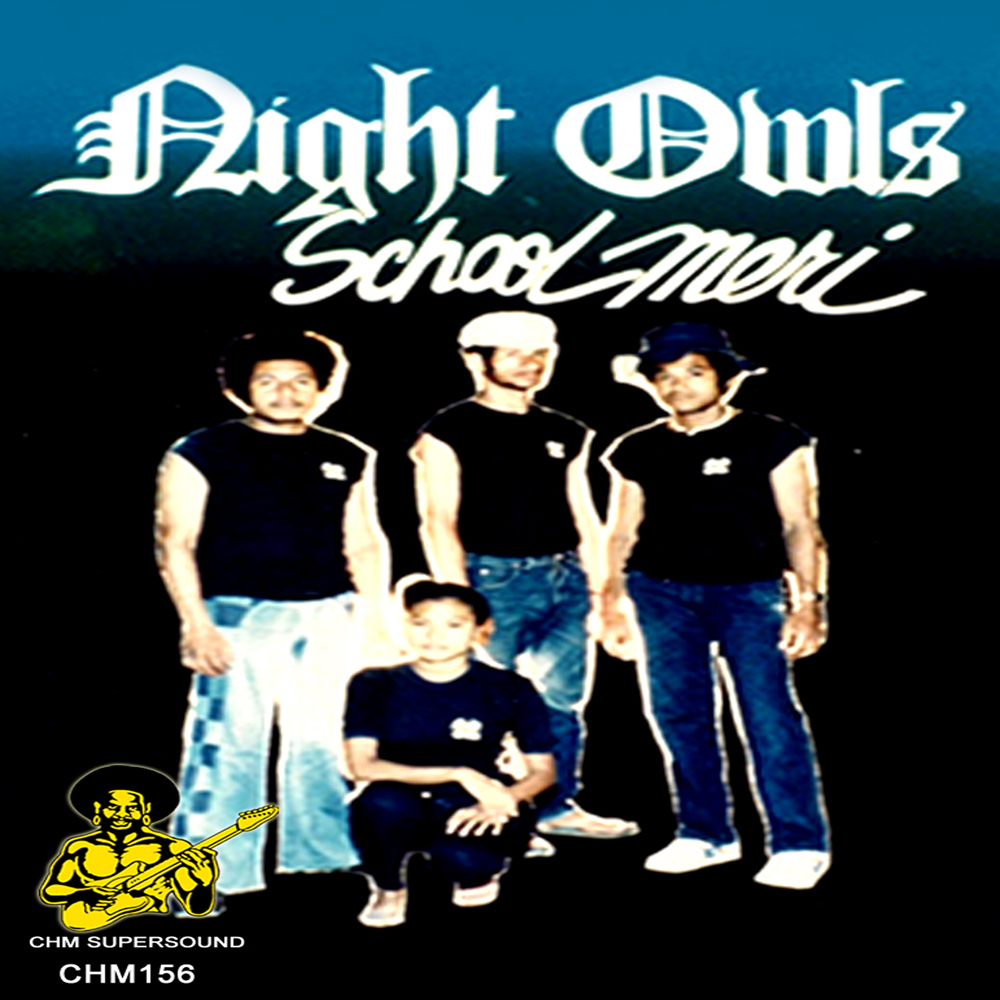
CHM Supersound Studios was established in 1980; Soundstream studios started approximately a year later but closed in 1982. Soundstream studio was started in partnership between Greg Seeto and Philip Foley in Rabaul. The closure of Soundstream gave way to Seeto’s Pacific Gold Studio in 1983 and Foley’s Kuanua Studio in the same year. After giving competition to Pacific Gold Studios for a few years, Kuanua finally closed its doors in 1986, leaving Pacific Gold Studios to continue competing against CHM. For over 20-years fearsome competition prevailed between the two and the level of rivalry was so intense that it caused a division in the local music scene to the extent that there was bickering and verbal threats amongst the recording artists and bands themselves. Unknown to many, in 2000, despite the extreme level of opposition, Pacific Gold Studio’s owner Greg Seeto approached Raymond Chin, MBE to take over the studio due to financial difficulties. It is unclear as to why Greg Seeto would choose his arch rival to hand over his studio to however the main assumption is that Mr. Seeto knew that CHM would look after the PGS library of music and would keep it alive for the next generation of Papua New Guineans to enjoy and listen to the legends of PNG. Reflecting back, Raymond Chin, MBE, says that the rivalry actually accelerated the development of the PNG music industry to reach the level at which other south pacific nation’s industries were at and thus continuing to this day to work with a majority of grassroots and giving opportunities to unemployed youths by allowing them to create and make music.

The NBC reached its nation-wide audience through its AM Karai Service. Its main function was information and education, but it broadcasted imported and local music in a ration about three to one. NBC’s FM Kalang Service, “The Entertainer”, was launched in 1982 and started broadcasting a largely music format, in roughly the same ration (with bulletins in brief on the hour). Established as the business arm of the NBC, Kalang continued recording and releasing local cassettes besides commercials for companies that needed advertising. Its implementation of a pay-for-play policy was looked at by the local music industry as contradictory because the same policy could not be applied to the predominantly overseas material being broadcast. Kalang became very successful at the beginning of its life as ‘the entertainer’, doing its share of recording, developing and promoting PNG popular, gospel and string band music throughout PNG along with its counterparts CHM Supersound Studios and Pacific Gold Studios respectively. Nau-FM, a clone from Suva-based parent company Communications Fiji Ltd (and 25% owned by them) began broadcasting twenty fours a day from November 14th, 1994 and promised to provide Kalang Service with some real competition. Kalang, however, took a lot of stress away from parent NBC in the dissemination of commercial releases while NBC concentrated mainly on Section 9 of the Broadcasting Act, which requires that the national broadcaster ‘give adequate expression to the culture and the needs of the people of the various parts of Papua New Guinea’.

CHM’s quest to be the first outside radio to promote its local groups first opened up in April 1983. A top twenty program sponsored by Haus Bilas and co-sponsored by CHM was introduced but dropped a year later when other sponsors failed to support it. In the same year CHM went a step further by buying air-time for a series of programs entitled, CHM Supersound, featuring their own recordings of local bands and material from other Pacific recording companies for which they held the PNG agency.

One of the most significant individuals behind Kalang’s promotion of local music has been Justin Kili. Kili, one of PNG radio’s most popular music presenters was the program manager of Kalang. Often referred to say ‘JK’, Kili comes from Lamanmanu village in Buka Island of the North Solomons province. He began his local career with his local station in 1971. He spent a year with his local station prior to doing a two-year journalism course in Port Moresby. He returned to Bougainville for a further year before secondment for a time with ABC in Port Moresby. According to an interview conducted by Malcolm Philphott in November 1994 (Perfect Beat v2n3 July 1995), Kili recalls that his initial desire to develop contemporary PNG music through radio came about as a result of his dislike of string band music, seeing it as inferior to imported western music in terms ‘of both performance and sound recording quality’, emphasizing that:

I preferred traditional music to string band music. What really turned me off at the start was the fact that there were too many cover versions. PNG bands at that time were just not creating their own music. They were copying western music and making a terrible job of it. When Raymond Chin, Managing Director of CHM, asked me if I wanted to be part of the push to promote PNG music I said, ‘I hate the stuff I’m hearing now, so why not?”

Putting aside the fact that he worked for Kalang at the time, and the heavy competition between NBC, CHM and Pacific Gold Studios, JK is unequivocal in his recognition of the contribution made by CHM and Pacific Gold to the contemporary PNG music culture, stressing that:

The NBC had a purpose when it made recordings. That purpose was to preserve PNG cultures and traditions through music… to catalogue our many cultures, and it did that. It would not, could not have done much to develop PNG music because its primary role was preservation of what was there already. I think that without Raymond Chin and Greg Seeto, PNG music wouldn’t be where it is today. They might not get on well with each other, but both work full bore to promote PNG music. They took big risks which the NBC did not have the resources to do and they continue to do so today.

All in all, NBC’s early role in the development of PNG recordings was significant. It released some of the first recordings of the then popular ‘six to sic’ groups, stringbands, gospel, school bands as well as bamboo bands. Taking into consideration poor management, poor equipment maintainance and underfunding, the national broadcaster played its part in the early development of the PNG music industry.
Raymond Chin’s main idea of continuing to sponsor the CHM Supersound radio programs on Kalang was to attract the attention of would-be sponsors for the programs as he found it almost impossible to bear the financial burden of it. Weighing the odds against this and the audiences response for the airplay, this author and Justin Kili were assigned in the late 80s to continue the Supersound programs but with new ideas to improve it. With the introduction of more radio stations, Raymond Chin, has so far gone into the extent of spreading the radio programs out. Negotiations with Nau-FM, Kalang, Radio East New Britain (RENBFM), 93 FM and even the Karai Service continued to gain some ground but the pay-for-play policy has always been the focal point behind the success or failure of the programs. Successful attempts in negotiations with overseas radio stations have also helped CHM to promote PNG contemporary music overseas in places such as Australia (Cairns and Thursday Island), Vanuatu and Solomon Islands.

From the problems that CHM encountered regarding the use of radio stations, and their pay-for-play policies, Raymond Chin, went a step further in setting up plans to start CHM’s own radio station. He discussed this idea with this author, Eddie Elias and Chris Seeto (all ex-chief engineers with CHM) between 1999 and 2000. Radio Blong PNG Rait FM 99.5 began test broadcasting in May of 2008 and later that same year came into full operation with a young and dynamic team of radio announcers. The station airs the best of PNG and the South Pacific music and having a library of over 3 000 albums containing CHM’s extensive catalog as well as Pacific Gold’s, it is by far the most complete and extensive library of music in the country today.

The limitation of not broadcasting outside of the Central province has deprived outside listeners access to the interesting programs that are being aired on CHM’s Rait FM but the success of CHM’s continouse struggles to promote PNG music has now fallen on one shoulder as competition from Pacific Gold and other bigger studios in the past have elapsed due to their closure. Commercial radio stations alike are on the increase as the fight for supremacy and a bigger portion of the market for radio continues.

As the newly introduced Copyright Act comes into play and certain policies within this act covering synchronization royalties, mechanical rights income and public performance and broadcast is finally enacted, radio stations will have to abide by paying royalties for airplay of artists’ material. By doing this it will reverse the usual practice of the past where predominant portions of imported music polluted the PNG airwaves freely, in contradiction to the pay-for-play policy for our own PNG contemporary music. CHM’s stand in its honest and hard work in maintaining continuity in the promotion of PNG music should be complimented by more radio stations. Radio stations now have turned the table around in overruling the old three to one airplay favouring imported music and have opted to playing more PNG contemporary music because of the growing appreciation created by CHM as the major recording studio to date. It is sad to note here that for the effort that CHM and its affiliates put in to bring the appreciation level up to its present rate, they have to also look for the finance to meet the radio stations requirements. Argueably so, recording studios and radio stations alike have to draw a line as to where they really stand in the true promotions of our music.

The introduced Copyright Act, introduced by parliament in 2000 has to date been ignored to an extent. This is probably due to lack of government funding for awareness campaigns, let alone a government body to make it work. The lack of awareness has created a vaccume in general understanding of its policies by stakeholders, including lawyers, related legal bodies and the public at large. The PNG music industry, although small in proportion to neigbouring countries, can start to grow within itself if the existing Copyright Act starts to exercise its policies, especially where synchronization and broadcast royalties paid to artists by stakeholders eventuate. Musicians and artists will start to profit, not only from the recording royalties that they continue to earn but also from broadcasts, synchronication and third party goods and services. Additionally, the money will stay back in this country. The main drain of commercial radio stations that can happen due to policies of the Copyright Act (if enacted) will be the broadcast royalties for imported music paid to Publishers and owners of copyright to those songs overseas.

‘Collection Socities’, or bodies that collect royalties on behalf of artists will have to be formed. The formation of such will have to be honest and reliable in what they do. Apart from collecting royalties, these bodies have also got to have the necessary experience, financial capabilities and the energy to fight piracy to protect their artists. For this very fear, CHM and all affiliating studios have established the PNG Legends Ltd, the Publishing company that is responsible for this job. As Raymond Chin put it:

It is not viable for CHM Supersounds to ignore this important area. We have been struggling to develop our own bands from nothing to something only to find that other ‘poachers’ are stealing them from us. Usually the ‘poachers’ are people and organizations that are abruptly formed to make easy money at our expense. We are now going all over the country running workshops, awareness and signing our artists and those of our affiliates to be under this protection.

About the author: This three-part article was written by Thomas Lulungan, an active member of the music industry for the past twenty years with credentials as a music teacher, a musician, a sound engineer and a recording studio owner.

The development of PNG Popular Music through Recording and Radio Broadcasting – Part I
By Thomas Lulungan